
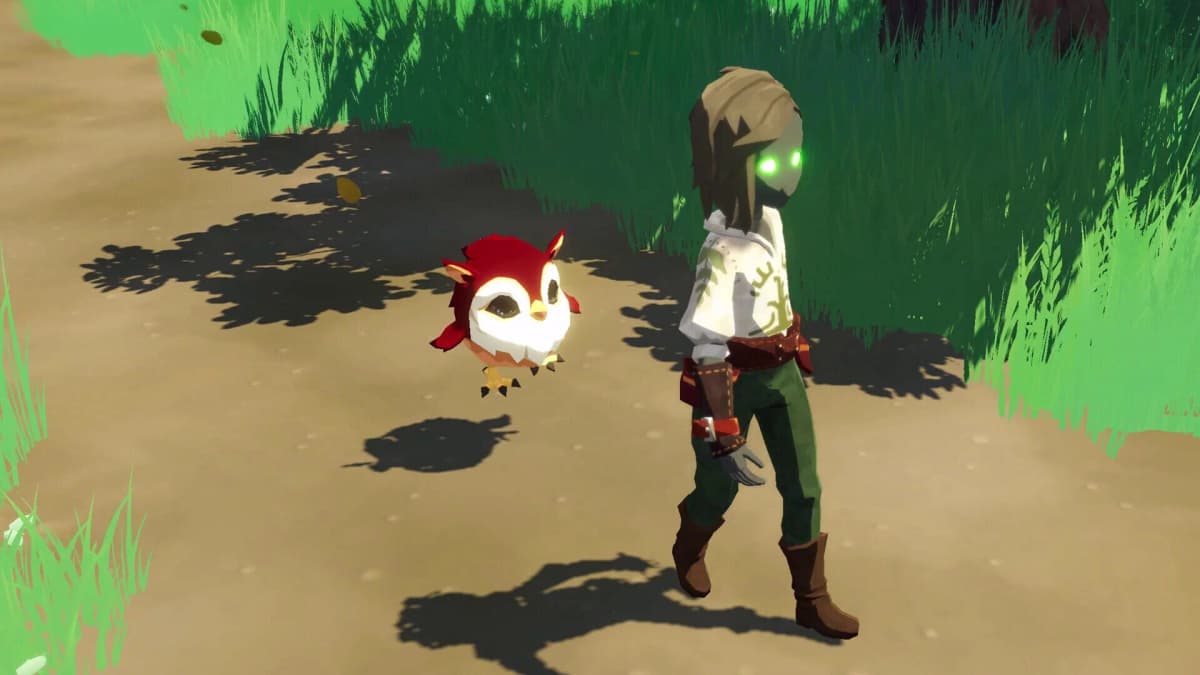
Bitcraft Online : un vrai MMO sandbox en monde unique ?
Remember the thrill of booting up World of Warcraft or RuneScape for the first time, stepping into a bustling digital city filled with real players at every corner? Bitcraft Online, now in early access on Steam, aims to rekindle that magic—but with today’s technology and a grander goal: to put the power of world-building squarely in players’ hands. This isn’t just another theme-park MMO with instanced dungeons and automated quests; Bitcraft pitches itself as a “single-shard sandbox MMORPG,” where every adventurer shapes the environment, the economy, and the very map itself.
One World, No Shards: The Technical Ambition
At the heart of Bitcraft Online lies its “one-shard” architecture: a single, shared server instance for every player. Gone are the hidden instancing tricks and population splits that fragment modern MMOs. Whether you’re logging in at server launch or weeks later, you step into the exact same persistent world.
Clockwork Laboratories, the small indie team behind Bitcraft, has spent seven years developing the server tech and world generation tools that make this possible. Instead of spinning up new zones when populations spike, the engine dynamically adjusts resource density and NPC spawns to balance load. If it works as advertised, Bitcraft could finally deliver the elusive “one world” experience that titles like Ultima Online and Wurm Online only hinted at decades ago.
Future research areas: independent stress tests, developer interviews on server scaling, and community-sourced stability reports.
Slow-Burn Progression: Rediscovering Patience
Bitcraft rejects the modern trend of rapid level caps and daily login rewards. Here, skill gains are deliberate and slow, echoing the grind of Old School RuneScape or Classic WoW. Mining a vein might net you a fraction of a skill point; chopping wood or skinning beasts all require repeated effort. To reach max proficiency in a single skill often means dedicating weeks or months of casual play.
- Skill-Based Growth: No classes or fixed roles—your abilities grow by performing tasks. Want to be a blacksmith? Smelt ore and forge items repeatedly.
- No Bound Level Cap: Skills have theoretically infinite progression, though practical benefits taper off at higher tiers.
- Strategic Planning: Specialization matters: focusing on a handful of skills yields faster mastery, but limits crafting range.
This pace isn’t for everyone. Casual players may tire of repeating low-level tasks, while hardcore sandboxers will relish the deep investment and sense of achievement once a skill peaks.
Player-Driven Economy and Crafting
Every resource in Bitcraft—from iron ore to rare herbs—originates in the world itself, spawned according to a living ecosystem. Gathering professions coexist with combat roles, and materials flow into player-run workshops and markets. The developers have left price discovery and trade entirely to the community:
- Open Marketplaces: Town centers host auction houses where players list goods for bid or direct sale. Watching supply-and-demand curves shift in real time becomes a mini-game of its own.
- Resource Scarcity: High-value materials spawn farther from safe zones, incentivizing trade networks and caravans—complete with escort guards.
- Crafting Tiers: Simple items like wooden tools require minimal resources, but endgame gear demands rare components and collaboration between gatherers, crafters, and enchanters.
This system fosters interdependence: miners rely on blacksmiths to turn ore into weapons, while artisans need herb gatherers for alchemical buffs. It’s a true free economy—so watch for early monopolies or price manipulation that can nursemaid alliances or ignite player conflicts.
Construction and World-Building
Bitcraft’s sandbox extends beyond crafting items to shaping the landscape. Players who claim territory can erect walls, houses, and public works. Land ownership operates on a lease system: you stake a claim by paying a maintenance fee with in-game materials, then build upwards or outwards within your plot.
- Modular Building Kits: Predefined wall and foundation pieces snap together—no grid-snapping puzzles, but enough flexibility for creative enclaves.
- Public vs. Private Spaces: Claim small homesteads for private use or collaborate on large city projects visible to all players.
- Land Expansion: When population density crosses thresholds, the world map unfolds new biomes—deserts, frozen tundras, or tropical wetlands—expanding construction frontiers.
Community events can revolve around building contests or cross-guild fairs. Early player towns will set the tone: if one city nails a thriving marketplace, it might draw thousands of settlers, while rival groups carve out remote bastions for a more hermetic playstyle.
Social Systems and Community Governance
With no NPC quest givers to drive narrative, player interaction takes center stage. Bitcraft offers several layers of social tools:
- Guild Framework: Form alliances with tiered ranks, shared coffers, and tax levies on in-game transactions to fund communal projects.
- Political Elections: Major settlements can hold votes for mayors or council members, granting them authority to adjust tax rates or issue building permits.
- Dynamic Events: Server-wide challenges—like a resource famine or monster infestation—require coalitions of players to coordinate responses.
This emphasis on player governance means toxic behavior or corruption can spring up. Developers plan to implement reputation systems and optional dispute resolution channels, but the true test will be whether players self-regulate or demand stricter moderation.
Combat and Survival Elements
Combat in Bitcraft blends PvE threats with ambient PvP risk. While safe zones protect newcomers, venturing beyond town walls into “wild” regions exposes you to roaming monsters and potential ambushes by hostile players.
- Realistic Encounters: Monsters spawn based on ecosystem health—overhunt a pack of wolves and they may vanish until populations recover.
- Open-Field PvP: No labelled battlegrounds: disputes over resource hotspots can escalate into skirmishes, raids, or formal declarations of war between guilds.
- Survival Mechanics: Hunger, weather, and travel fatigue demand planning. Long treks across deserts or snowy plains require provisions and campfires.
This hybrid model rewards strategic alliances: a mining convoy might hire mercenaries for protection, while explorers team up to map new frontiers. Dying in the wild can result in the loss of carried items, so risk vs. reward decisions become meaningful.
Envie de passer au niveau supérieur ?
Accédez à des stratégies exclusives, des astuces cachées et des analyses pro que nous ne partageons pas publiquement.
Guide stratégique ultime Jeux Vidéo + Astuces pro hebdomadaires
Monetization, Early Access, and Roadmap
Bitcraft Online launched early access at a flat fee of €29.99, with a planned transition to free-to-play on full release. Details on microtransactions remain sparse. The studio has pledged:
- Cosmetics-only shop—no pay-to-win items affecting gameplay balance.
- Seasonal battle passes offering unique outfits or building skins.
- Optional subscription for quality-of-life perks (extra storage, VIP servers for small groups).
They intend to use early access revenues to stress-test servers, collect player feedback, and refine balance before the F2P launch. This measured approach could help avoid the monetization pitfalls that have sunk other ambitious MMORPGs. However, keeping back-end transparency—such as publishing revenue allocation—will be important to maintain community trust.
Stability, Support, and Future Updates
So far, community reports highlight occasional server lag during peak hours, but no widespread crashes. Clockwork Labs promises a biweekly patch schedule addressing bug fixes, game balance, and new sandbox features. Roadmap teasers include:
- Additional biomes (volcanic islands, enchanted forests)
- Mounts and player-controlled caravans
- Advanced automation tools (e.g., mechanical contraptions for resource processing)
Player-driven content suggestions will be handled through weekly developer livestreams and a public idea board. This two-way dialogue could keep the world evolving in line with community desires—provided the team scales its support capacity.
Who Should Dive In?
Bitcraft Online is not a casual drop-in ride. Its slow progression, open economy, and risk-laden world demand time, patience, and a cooperative mindset. If you long for deep crafting, real-world style politics, and emergent storytelling driven by player actions, it delivers a rare sandbox promise. But if instant gratification or solo-friendly PvE spotlight is more your style, you may find the grind and social dependencies frustrating.
At €29.99 for early access, the financial barrier is low enough to experiment. Just be prepared to invest effort in building or joining a community—your experience truly hinges on other players.
Conclusion
Bitcraft Online aims to resurrect the golden age of sandbox MMOs within a single shared world. Its deliberate pace, deep crafting, player-led economy, and political systems create a living environment that feels fragile—and thrilling. Success depends on server stability, fair monetization, and whether the community embraces collaborative world-building over hostile takeovers.
For those tired of theme-park MMOs and craving a player-driven challenge, Bitcraft Online is the most ambitious sandbox in years. But buckle up: this journey rewards commitment, diplomacy, and creativity more than quick wins or scripted story arcs.
TL;DR
- True one-world sandbox MMORPG in early access on Steam.
- Slow, skill-based progression and deep player-driven economy.
- Construction, politics, and open-field PvP/PvE for emergent gameplay.
- Cautious optimism on monetization: €29.99 early access, F2P at launch.
- Best for players seeking community collaboration and strategic depth.