
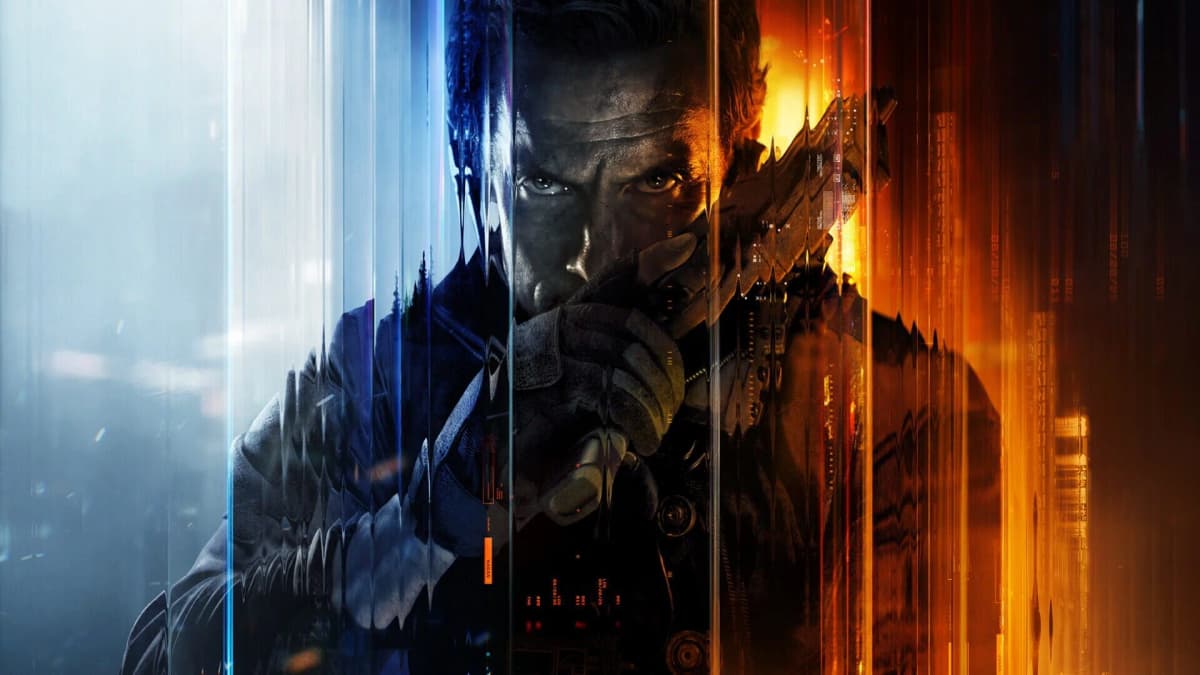
Call of Duty: Black Ops 7 – La guerre du futur a un rythme effréné
Microsoft didn’t mince words at Summer Game Fest: Call of Duty is their top dog now, and they closed the show by unveiling Call of Duty: Black Ops 7. It hit me like an EMP: we haven’t even fully unpacked last year’s Black Ops 6, and here comes the next installment. Is Activision’s accelerated cadence stretching the series thin, or is this jolt of sci-fi adrenaline exactly what the franchise needs to break free from its annual rut?
From Three-Year Cycles to Annual Drops: Franchise Evolution
Historically, Treyarch’s Black Ops subseries ran on a roughly three-year development cycle—two years of preproduction and one year of polish—enabling a deep narrative, refined multiplayer and the ever-popular Zombies mode. Fans lauded Black Ops 2 (2012) for its branching storyline, but then criticism mounted as Activision shifted to a yearly release schedule after 2019. Modern Warfare 3 (2023) exemplified the speed-to-market gamble: undercooked maps, unbalanced weapon meta and a campaign lasting barely five hours left players craving more substance.
With Black Ops 7 slated for late 2024, the pace has never been more frantic. Industry vet and former Raven Software designer Alicia Chen notes, “A one-year turnaround can spark innovation under pressure, but it risks burnout and recycled assets. You either push boundaries or end up retreading old ground.” The question for Black Ops 7: will it deliver genuine next-gen breakthroughs or another deluxe reskin?
Treyarch vs Raven Software: Who’s Calling the Shots?
Development credits point to Treyarch at the helm, but Raven Software’s fingerprints have grown with each pass on multiplayer and post-launch support. Historically, Treyarch owns campaign and Zombies, while Raven polishes MP maps and seasonal content. For Black Ops 7, insiders suggest Treyarch architects the core narrative and high-concept weapon tech, while Raven engineers the live-service backbone—new battle pass systems, ranked play and cross-play integration.
Brian Horton, ex-Activision creative director, speculates: “If Raven can fully exploit Unreal Engine 5’s world-streaming, we might finally get sprawling, dynamic maps that evolve mid-match. Treyarch’s big strength is weaving narrative threads into Zombies—if they pump that DNA into multiplayer events, we could see a campaign-meets-battle-royale fusion.” That’s a far cry from static arenas, and it may mark a real division of labor between the two studios.
CGI Spectacle or Precursor to Real Innovation?
The reveal trailer was pure neon-drenched CGI: hover-drones buzzing through Blade Runner–inspired skylines, combat exoskeletons and A.I. squads. Cliché? Perhaps. But advancing beyond 90s Cold War nostalgia, the art style hints at new movement tech—augmented reality HUDs, magnetic grapple hooks and programmable drones. Veteran FPS designer Marco Ruiz predicts wall-running will return, coupled with “a fully destructible environment” feature inspired by recent Battlefield entries.
Still, without live gameplay footage, skepticism reigns. Ghostwire Studios alum and game systems specialist Elena Park warns: “All that tech glam can fall flat if weapon handling and netcode don’t match the hype. The real test is whether core gunplay feels as intuitive as last gen or if we’re chasing shiny gadgets at the expense of shooting fundamentals.”
Multiplayer Deconstructed: Maps, Modes & Meta
Expect the classic 6v6 modes alongside larger-scale skirmishes. Rumors speak of “Silent Forest,” a dynamic map where weather cycles—fog, acid rain—alter sightlines and gadget performance. Analysts anticipate integrated RTS-style commander roles allowing one player per team to call in strikes or shift objectives mid-match.
Weapon progression may pivot away from XP-grind to mission-based challenges—think “deploy comms jammer” instead of “kill 100 enemies.” This not only diversifies playstyles but could solve the perennial problem of repetitive loadout unlocks. Plus, fresh playlists like “Capture & Vault,” where teams race to secure data drives and physically barricade vault doors, are reportedly in internal testing.
Envie de passer au niveau supérieur ?
Accédez à des stratégies exclusives, des astuces cachées et des analyses pro que nous ne partageons pas publiquement.
Guide stratégique ultime Jeux Vidéo + Astuces pro hebdomadaires
Zombies Mode: Evolution or Nostalgia Trip?
The bullet-sponge horde is back, but sources say Treyarch wants to upend the formula: dynamic zombie AI that adapts to aggregated player performance, labyrinthine underground labs with shifting corridors, and a narrative that threads into the single-player campaign. Expect RPG-lite elements—weapon forging, perk-synergies and a rogue-lite “loop” where each run unlocks story fragments or new mutations.
Long-term community support appears baked in: seasonal maps tied to in-game events (like a holiday-themed asylum or underwater research facility) and weekly “Z Companion” challenges co-developed with speedrunners. Hardcore Zombies streamer @GhoulGhoul tweeted, “If they nail a 60-minute prestige run with evolving objectives, it’ll reinvigorate the top tier of our scene.”
The Game Pass Day-One Debate
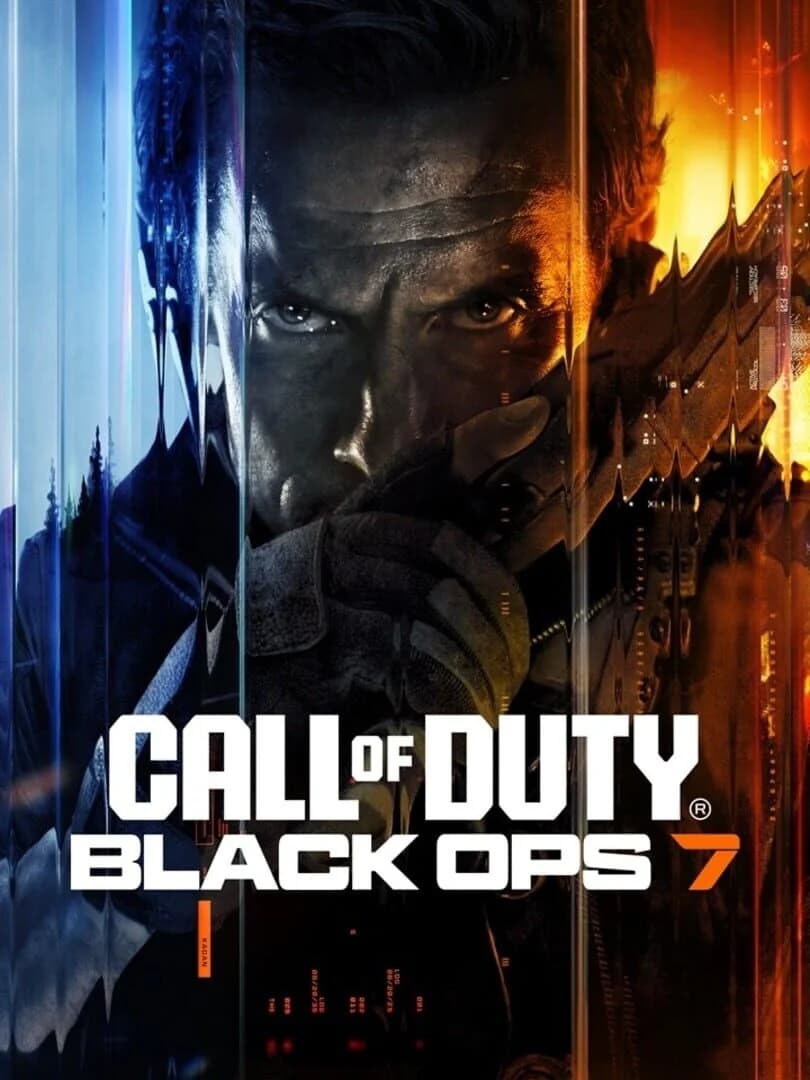
Microsoft’s high-stakes play is to drop Black Ops 7-on day one via Game Pass Ultimate and PC Game Pass. Day-one release means subscribers gain instant access without additional purchase—a bold move for a billion-dollar franchise accustomed to upfront sales. On one hand, this could spark record engagement: imagine 30 million subscribers joining within 24 hours. On the other, traditional revenue from boxed copies and premium editions may take a hit.
Market analyst Jordan Swift explains, “Day-one inclusion accelerates player base growth and lifecycle monetization through battle passes, but it risks devaluing perceived premium worth. Publishers must balance subscription familiarity with still-strong retail markets in regions where Game Pass penetration lags.”
Monetization & Microtransactions
Loot boxes are (hopefully) out of vogue, replaced by a refined battle pass system. But expect cosmetic bundles—neon weapon skins, mech-armor rigs—and a la carte bundles priced up to $20. If Activision leans too heavily on seasonal content gates, backlash will mirror 2021’s Modern Warfare microtransaction uproar. The optimal path: meaningful free updates plus optional premium tiers.
TL;DR – Black Ops 7: Starry-Eyed or Shot-Through?
- Release barely a year after BO6 signals Microsoft’s all-in strategy to capitalize on its Activision acquisition.
- Treyarch steers the story and Zombies; Raven fine-tunes multiplayer live service—potentially leading to expansive, reactive maps.
- CGI trailer wowed with neon-punk robots and drones, but gameplay remains unseen—will it innovate or repeat Advanced Warfare tropes?
- Multiplayer may get dynamic weather, commander roles and objective-based progression to refresh the meta.
- Zombies could adopt RPG mechanics and adaptive AI, with looped runs unlocking narrative content.
- Day-one Game Pass promises massive reach but raises questions on franchise valuation and sales revenue.
- Microtransactions may center on battle passes and cosmetics; too much paywalling could alienate fans.
Black Ops 7 is a high-wire act: a test of whether accelerated development can yield true innovation or if it’s a gamble that ends in industrial fatigue. For die-hard fans and newcomers alike, the reveal marks both anticipation and caution. Now it’s on Treyarch, Raven and Activision to prove that under all that neon and CGI, Black Ops still packs a knockout punch—on Game Pass day one or not.