
Best Gaming Laptops 2026
Our top gaming laptop picks for 2026 across every tier, from budget RTX 5060 machines to full 175 W RTX 5090 flagships.
The 2026 gaming-laptop field is defined by NVIDIA's RTX 50-series and a hard split between two design philosophies: heavy desktop-replacements that run their GPUs at the full 175 W, and slim machines that trade sustained power for portability. This guide is our cross-tier shortlist — the laptops we would actually recommend, whether you're spending entry-level money or buying a flagship.
We cover every tier in one place. At the top sit full-power 16-inch machines like the Lenovo Legion Pro 7i Gen 10 and ASUS ROG Strix G16; in the middle, the value-focused Lenovo Legion Pro 5 Gen 10; and at the entry end, the Lenovo LOQ 15 and Alienware 16X Aurora for affordable 1080p to 1440p play. If portability is the priority, the slim Razer Blade 16 and ROG Zephyrus G16 make the list too.
One thing to set expectations: nearly every high-power machine here trades battery life and acoustics for performance, and several carry known quirks. We flag those honestly below rather than pretend they don't exist.
What to look for
GPU power, not just the GPU name. Two laptops can both say "RTX 5080" and perform very differently. The Legion Pro 7i, Strix G16 and Razer Blade 16 all run their GPUs at the full 175 W; thinner chassis pull that figure back. The Zephyrus G16 can be configured with an RTX 5090, but its sub-2 kg body thermally constrains that chip and it throttles under extended load — a higher tier on paper that a full-power 5080 will often beat in practice.
The single-channel-RAM trap. At the budget end this is the difference between a good buy and a frustrating one. The LOQ 15 ships with a single 16 GB stick running in single-channel mode, which measurably drags gaming performance until you add a second stick to enable dual-channel. Budget that upgrade in from day one.
Panel. OLED is the headline upgrade this generation — the Legion Pro 7i, Legion Pro 5, Razer Blade 16 and Zephyrus G16 all use it, with the Blade 16 and Zephyrus hitting 1000-plus nits in HDR. The IPS picks aren't slouches either: the Strix G16 runs a 300 Hz panel, and the Alienware 16X Aurora a 240 Hz QHD+ display with G-SYNC and Advanced Optimus.
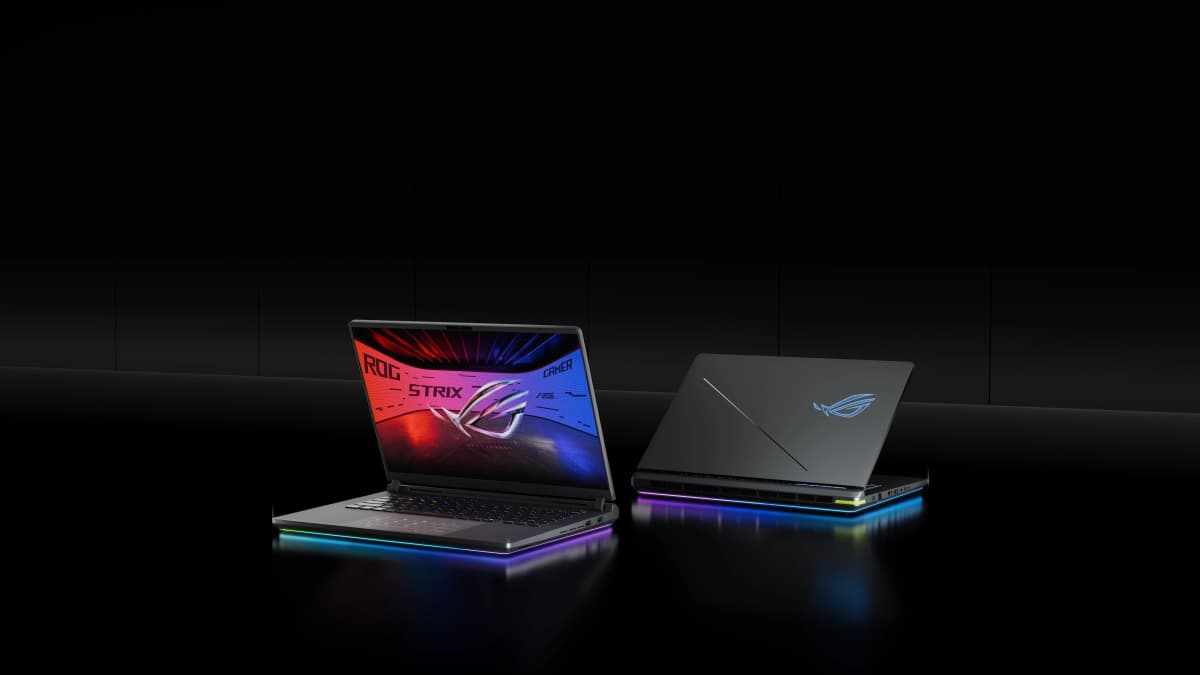
Cooling. Sustained framerates live or die on thermals. The Strix G16's full vapor chamber, Tri-Fan and liquid-metal setup is among the best in its class; the Legion Pro 7i pairs a vapor chamber with healthy GPU temps but the aforementioned hot CPU; the budget LOQ 15 makes do with two fans and no vapor chamber, so expect CPU spikes to occasionally stutter.
Upgradeability. If you want to add RAM later, that rules some machines out. The Legion Pro 5, Legion Pro 7i and LOQ 15 use replaceable SO-DIMMs; the Zephyrus G16 and Razer Blade 16 solder their memory, so the configuration you buy is the one you keep.
Which should you buy?
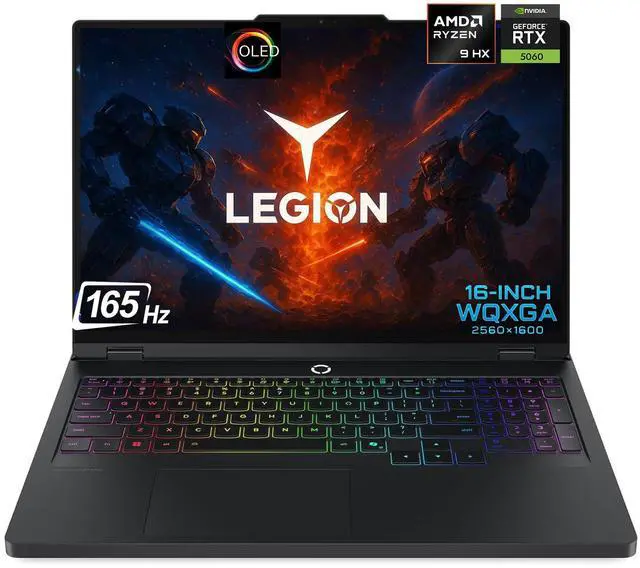
For most people chasing the best all-round machine, the Lenovo Legion Pro 7i Gen 10 is our overall pick: full 175 W GPUs, a 240 Hz OLED, upgradeable RAM and a genuinely good build — provided you can live with a warm CPU under load.
On value, the Lenovo Legion Pro 5 Gen 10 is hard to beat: a 16-core Ryzen 9 and an RTX 5070 with an OLED panel, regularly discounted well below MSRP. Just go in knowing it's an 8 GB VRAM card on VRR rather than full G-SYNC.
If you simply want into RTX 50-series gaming for the least money, the Lenovo LOQ 15 is the cheapest sensible entry — add the second RAM stick and it punches above its price. Want a little more polish and a sharper screen at the budget end? The Alienware 16X Aurora runs the same RTX 5060 at the full 115 W with a 240 Hz QHD+ panel.
And if portability outranks raw power, the Razer Blade 16 is the premium thin-and-light to beat, with the ROG Zephyrus G16 the lighter, screen-first alternative.
- 1Lenovo Legion Pro 7i Gen 10
from $3,299
RTX 5080 / RTX 509016" OLED32 GB2.70–2.72 kgOur best overall: full 175 W RTX 5080/5090, a 240 Hz OLED and genuinely upgradeable RAM in a very good aluminum build. The main watch-out is a hot CPU that hits 90–100 °C under sustained load.
- 2Lenovo Legion Pro 5 Gen 10 (AMD, OLED)
from $1,999
RTX 507016" OLED16–32 GB2.35–2.50 kgThe value standout — a 16-core Ryzen 9 with an RTX 5070 and a 165 Hz OLED, frequently discounted well below MSRP. The trade-offs are an 8 GB VRAM buffer and VRR rather than full G-SYNC.
- 3ASUS ROG Strix G16 (2026)
Price unavailable
RTX 508016" IPS32 GB2.65 kgFor enthusiasts who want a full 175 W RTX 5080 with class-leading cooling (full vapor chamber, Tri-Fan, liquid metal) and a 300 Hz panel. Watch for the coil whine reported across this line and the plastic chassis.
- 4Razer Blade 16 (2026)
from $3,499
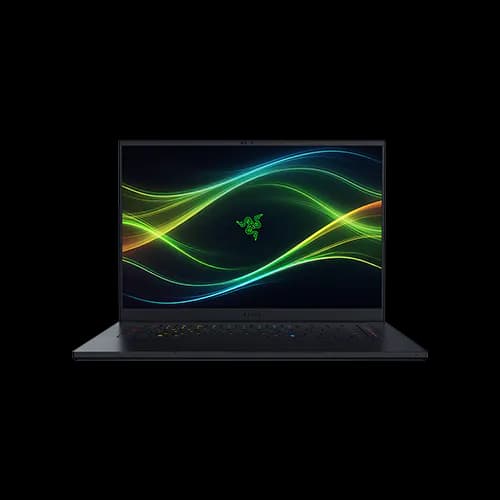
RTX 5080 / RTX 509016" OLED32–64 GB~2.1 kgThe premium thin-and-light: 175 W RTX 5080/5090 running cooler than the 2025 model behind a 240 Hz 1000-nit OLED in a slim ~2.1 kg unibody. The RAM is soldered, and it commands a flagship price.
- 5ASUS ROG Zephyrus G16 (2026)
from $3,699
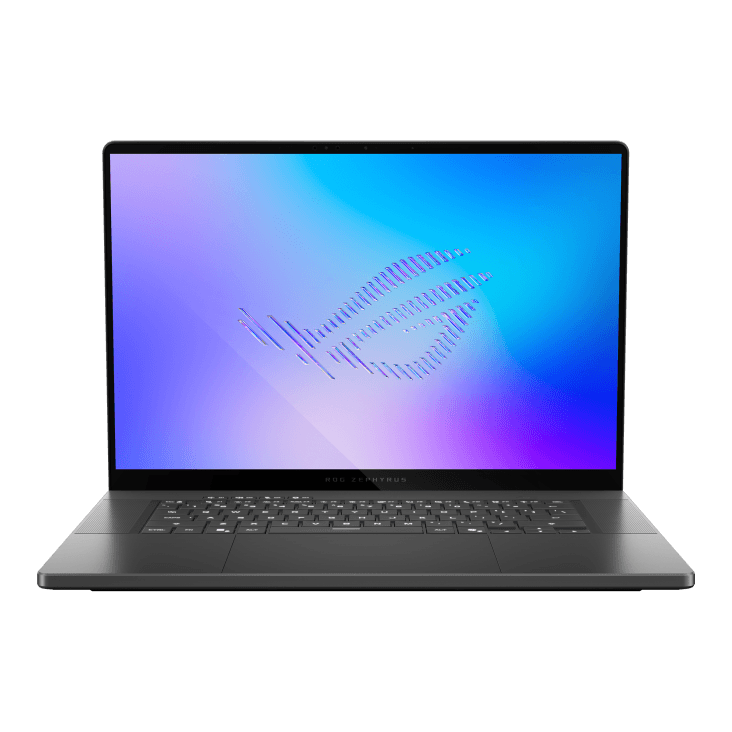
RTX 5070 Ti / RTX 509016" OLED32–64 GB1.95 kgFor buyers who prize a stunning 240 Hz OLED and a 1.95 kg body over raw watts, configurable up to RTX 5090. That flagship GPU is thermally constrained in this thin chassis, and the RAM is soldered.
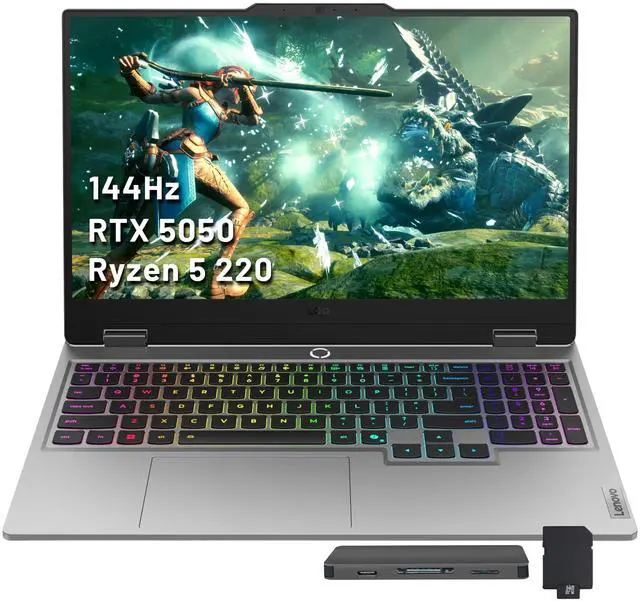
- 6Lenovo LOQ 15 (2026)
from $1,299
RTX 5060 / RTX 507015.6" IPS16 GB2.43–2.45 kgOur budget entry point — an RTX 5060 that regularly dips under four figures on sale. Upgrade the single-channel 16 GB to dual-channel on day one, or you leave real gaming performance on the table.
- 7Alienware 16X Aurora (2026)
from $1,849
RTX 506016" IPS32 GB2.6 kgThe mainstream-value Alienware, running its RTX 5060 at the full 115 W with G-SYNC plus Advanced Optimus and a 240 Hz QHD+ panel. Early batches drew coil-whine and throttling complaints, so inspect your unit.


FAQ
What is the best overall gaming laptop in 2026?
The Lenovo Legion Pro 7i Gen 10 is our top all-rounder — full 175 W RTX 5080/5090 GPUs, a 240 Hz OLED and upgradeable RAM in a well-built aluminum chassis. The trade-off is a CPU that runs 90–100 °C under sustained load.
What's the best value gaming laptop in 2026?
The Lenovo Legion Pro 5 Gen 10 is our value pick: a 16-core Ryzen 9 paired with an RTX 5070 and a 165 Hz OLED, with upgradeable RAM and frequent discounts well below MSRP. The compromises are an 8 GB VRAM buffer and VRR rather than full G-SYNC.
How much GPU do I actually need?
It depends on your target resolution. An RTX 5060 machine like the Lenovo LOQ 15 or Alienware 16X Aurora handles 1080p to 1440p comfortably, while full 175 W RTX 5080/5090 flagships such as the Legion Pro 7i, ROG Strix G16 and Razer Blade 16 are built for maxed-out 1440p and creator workloads. The same GPU name can run at very different wattages, so power matters as much as the model number.
Are these laptops upgradeable?
It varies. The Legion Pro 5, Legion Pro 7i and LOQ 15 have user-replaceable SO-DIMM RAM, while thin-and-light models like the ROG Zephyrus G16 and Razer Blade 16 solder their memory — so buy the capacity you need up front on those.
Is a thin-and-light gaming laptop worth it?
Yes, if portability and the screen matter more than sustained power. The ROG Zephyrus G16 and Razer Blade 16 pack flagship GPUs into sub-2.2 kg bodies with superb OLED panels, but both use soldered RAM, and the Zephyrus throttles its RTX 5090 under extended load. The Blade 16 is the better-cooled of the two, though it commands a premium.