
Après d’innombrables heures à explorer Arrakis dans Dune Awakening, j’ai enfin affronté le track crawler de l’endgame — le véhicule indispensable pour récolter l’épice dans le Désert Profond. Avertissement : matériaux rares, menaces PvP constantes et logistique complexe ont transformé ma première tentative en véritable fiasco. Dans ce guide, je partage les leçons tirées de mon expérience, les avantages et inconvénients objectifs, et des astuces uniques pour débloquer et optimiser votre premier crawler sans brûler autant de temps et de ressources que moi.
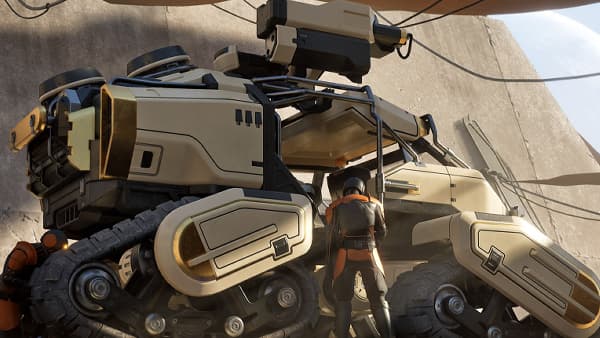
Pourquoi le Track Crawler est crucial en endgame
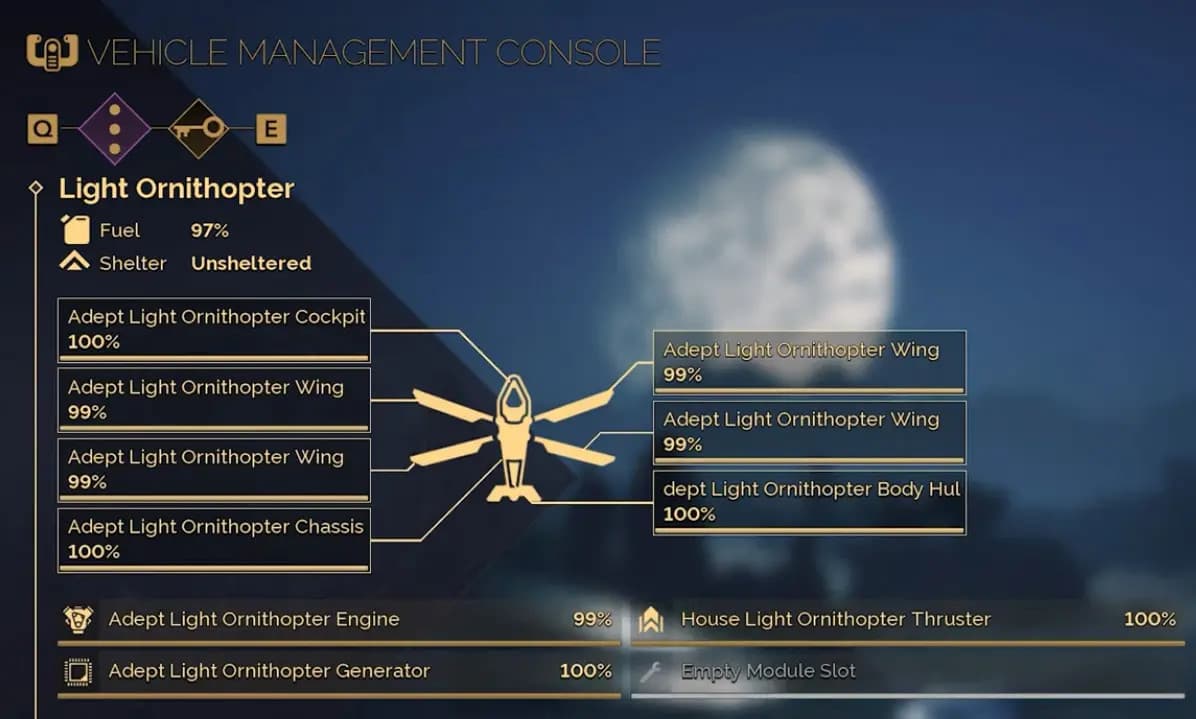
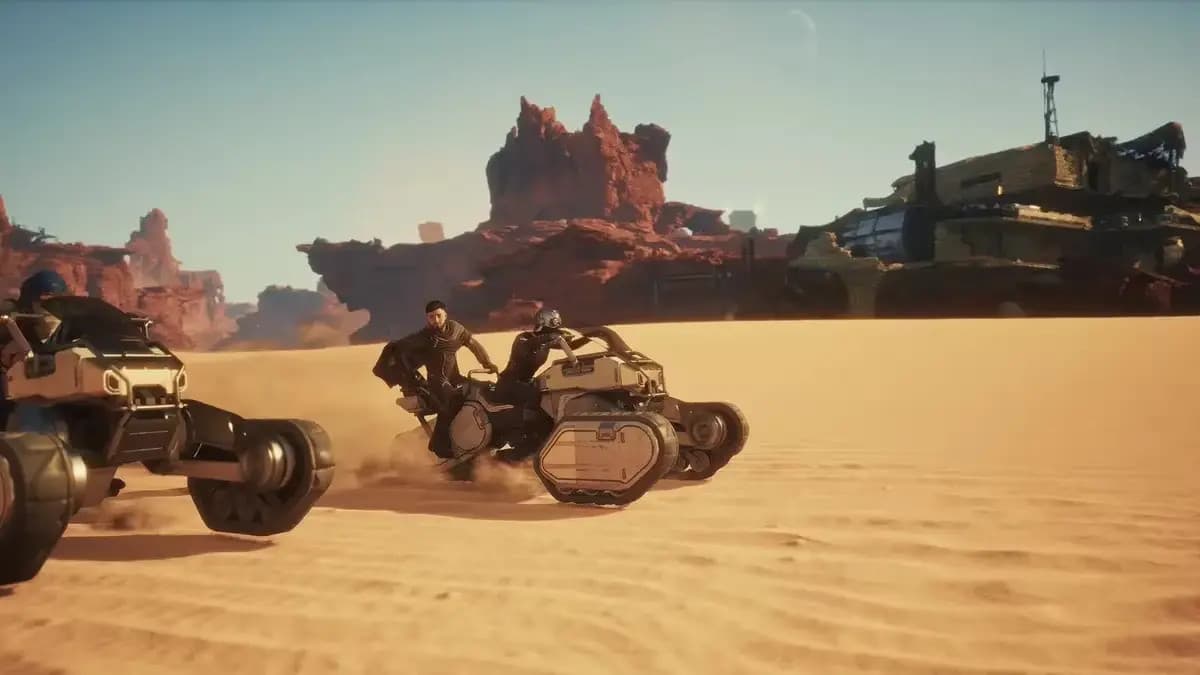
Au début, je pensais que les sand bikes ou les ornithoptères suffiraient pour les runs d’épice à haut rendement. Grave erreur. Quand vous visez les veines d’épice du Désert Profond, seuls les modules d’extraction lourds et le blindage du crawler peuvent suivre le rythme des nœuds de ressources et repousser les attaquants ennemis. Sans lui, vous passez trop de temps par nœud — faisant de vous une cible facile.
- Zones à haut rendement exclusives : De nombreux hotspots PvP ne s’ouvrent qu’aux équipes disposant d’un crawler opérationnel.
- Taux d’extraction supérieur : Les modules de centrifugeuse et d’aspiration spécialisés boostent le rendement par rapport aux véhicules plus légers.
- Dynamique d’équipe : Conçu pour les escouades — l’utiliser en solo vous expose aux embuscades.
Cela dit, construire et piloter un crawler demande un investissement considérable en temps, eau, carburant et coordination d’équipe — un véritable rite de passage.
Prérequis avant le déblocage du blueprint
Mon plus gros retard est venu du fait que j’ai tenté de gérer matériaux et stations en solo. Préparez votre stratégie autour de ces essentiels :
- Accès endgame : Terminez les quêtes principales et les objectifs de carte pour débloquer les schémas du crawler.
- Escouade organisée : Au moins trois joueurs couvrant les rôles de récolte, craft et défense.
- Alimentation en carburant et énergie : Maintenez des réserves tampons pour éviter les arrêts en plein craft.
- Stations de craft avancées : Forges et torches de niveau 3 ou supérieur sont obligatoires.
- Récolte de ressources en masse : Des runs anticipés pour l’eau, le plastanium et l’épice évitent les courses de dernière minute.
Détail des ressources par composant (Crawler Mk 6)
Rassemblez tout cela à l’avance. Les quantités varient selon l’économie du serveur ; ajustez en fonction de la disponibilité en temps réel :
- Châssis : Eau, plastanium, servoks, cobalt paste, mélange d’épice, ferraille de carbure.
- Cabine et blindage : Eau, plastanium, servoks, cobalt paste, mélange d’épice, plaques de blindage.
- Centrifugeuse : Eau, plastanium, servoks, cobalt paste, plaques composites, mélange d’épice, poudre de diamant.
- Module d’aspiration : Eau, plastanium, servoks, cobalt paste, mélange d’épice, machinerie avancée.
- Moteur : Eau, plastanium, condensateurs à particules, cobalt paste, machines complexes, mélange d’épice, pistons hydrauliques.
- Unité d’alimentation : Eau, plastanium, condensateurs à particules, cobalt paste, mélange d’épice, régulateurs de puissance.
- Chenilles (x2) : Eau, plastanium, servoks, cobalt paste, mélange d’épice.
Astuce : Lancez le farm d’eau et de plastanium plusieurs jours avant de débloquer le plan complet. Vérifiez toujours que vos stations ont du carburant et de l’électricité — cet oubli m’a coûté des heures.
Processus de craft étape par étape
- Collecte des matériaux
Commencez par les rendements les plus lents — eau, épice, plastanium — en utilisant des runs de groupe ou des extracteurs automatisés.
- Répartition des rôles
Assignez des joueurs à chaque station de craft, plus des défenseurs dédiés pour les escarmouches PvP.
- Fabrication des sous-composants
Craftez chaque pièce dans l’ordre, en stockant les objets dans des coffres de clan sécurisés pour éviter les vols.
- Assemblage final
Utilisez une torche de niveau 3 dans le menu d’assemblage. Fixez les chenilles, puis installez cabine, moteur, unité d’alimentation, centrifugeuse et module d’aspiration.
- Préparation au déploiement terrain
Positionnez des éclaireurs autour de votre site de travail et rechargez la cellule de carburant. Testez chaque module avant de partir vers le Désert Profond.
Avec une escouade organisée, comptez 60 à 90 minutes ; en solo, ça peut facilement dépasser les quatre heures.
Pièges courants et solutions
- Pénuries de ressources : Planifiez des runs dédiés pour l’eau ou le plastanium en heures creuses pour éviter la concurrence serveur.
- Coupures d’alimentation des stations : Surveillez les jauges d’énergie ; reliez des générateurs de secours si nécessaire.
- Niveau de torche insuffisant : Améliorez avant l’assemblage — les torches de bas niveau produisent des soudures défectueuses.
- Vulnérabilité PvP : Planifiez vos sessions de construction pendant les périodes de faible affluence ; utilisez des convois leurres pour tromper les groupes ennemis.
Tactiques d’opération avancées
- Ne partez jamais seul : Minimum quatre opérateurs — un éclaireur, deux défenseurs, un pilote.
- Balisez vos routes à l’avance : Marquez les zones à haut rendement avec la fonction « Marquer le site » de la carte pour fluidifier vos runs.
- Trajectoires dynamiques : Zigzaguez et variez vos itinéraires pour semer les traqueurs.
- Déchargements fréquents : Ramenez régulièrement l’épice à la base pour éviter les pénalités de poids et les goulots d’étranglement.
- Rotation des pilotes : Alternez les conducteurs toutes les 45 minutes pour éviter les erreurs liées à la fatigue.
Astuce de pro : Déployez un faux convoi à 200 m pour attirer les équipes d’embuscade, puis redirigez votre crawler vers le vrai site.
Récapitulatif des étapes clés
- Déblocage après la quête principale et l’exploration complète de la carte.
- Stockez toutes les ressources avant de lancer la construction.
- Formez une escouade fiable aux rôles variés.
- Utilisez des stations et torches de haut niveau pour les sous-composants.
- Sécurisez les objets à chaque étape pour éviter les pertes PvP.
- Planifiez vos runs d’extraction avec des routes balisées et des leurres.
- Résolvez immédiatement les problèmes de matériaux, d’emplacements ou d’alimentation — ils bloquent toute progression.
Construire le track crawler a été mon défi le plus difficile mais aussi le plus gratifiant dans Dune Awakening. Une fois armé et défendu, il transforme votre récolte d’épice en une entreprise endgame lucrative et stratégique. Équipez-vous, coordonnez-vous, et conquérez Arrakis !