

La Nintendo Switch 2 fait tourner Cyberpunk 2077 en 1080p/40fps
L’ESSENTIEL : La Nintendo Switch 2 réalise ce que beaucoup jugeaient impossible : faire tourner Cyberpunk 2077 en mode docké à 1080p/40 fps verrouillés, grâce à une intégration sur mesure du DLSS 3.5. Le rendu visuel rivalise avec la Xbox Series S, et la PlayStation 4 est largement distancée.
Quand la nouvelle est tombée que Cyberpunk 2077 serait disponible dès le lancement sur Switch 2, j’ai failli recracher mon café. La Switch originale sifflait comme un sèche-cheveux dès qu’on lui demandait d’afficher de la 3D basique — comment diable pourrait-elle gérer Night City ? Puis Digital Foundry a commencé à diffuser des séquences non compressées en ligne : pas de vernis marketing, juste du gameplay brut. En un instant, le scepticisme s’est mué en véritable admiration. Nintendo et CD Projekt ont réalisé un tour de passe-passe logiciel digne d’un pro de Gwent.
Lancée le 5 juin 2025 en même temps que Cyberpunk 2077, la Switch 2 ne promet pas de courir après le 4K, mais plutôt de trouver le juste équilibre entre performances, autonomie et silence. Pari tenu ? Accrochez-vous, on va décortiquer chaque polygone.
Caractéristiques clés de la Nintendo Switch 2
| Modèle | Nintendo Switch 2 |
|---|---|
| Processeur | NVIDIA Tegra T239 personnalisé (CPU ARM Cortex-A78C octa-core, GPU NVIDIA Ampere) |
| Mémoire | 12 Go LPDDR5 (bande passante jusqu’à 51,2 Go/s) |
| Stockage | 512 Go intégrés (extension microSDXC possible) |
| Écran | OLED tactile 7″, 1080p @ 60 Hz |
| DLSS | NVIDIA DLSS 3.5 personnalisé avec Optical Multi Frame Generation |
| Batterie | 4 à 7 heures en jeu intensif |
| Refroidissement | Chambre à vapeur bi-phase + ventilateur silencieux |
| Prix | 399 € / 399 $ |
De la science-fiction à la réalité : le DLSS 3.5 sur console portable
Le DLSS — cette technologie d’upscaling magique qui exploite la puissance des Tensor Cores pour produire des images plus nettes — a déjà fait ses preuves sur PC et consoles de salon. Sur Switch 2, NVIDIA a travaillé main dans la main avec Nintendo pour intégrer un pipeline DLSS 3.5 sur mesure directement dans le firmware. Cette version s’appuie sur l’Optical Multi Frame Generation : chaque image réelle est suivie d’une image intermédiaire synthétisée par l’IA, réduisant la charge GPU sans faire grimper la latence. En mode docké, le GPU Ampere du Tegra effectue le rendu en interne à 720p, puis le DLSS l’upscale en 1080p. Résultat : un solide 40 fps dans les quartiers les plus animés de Night City, avec des textures nettes et des ombres stables.
En mode portable, la console vise du 720p et descend parfois dans les 30 fps bas lorsqu’on fonce à toute allure sur les autoroutes. Mais sur une dalle OLED de 7 pouces, ces fluctuations sont à peine perceptibles — et le rendu HDR fait ressortir les néons comme si vous portiez des lunettes cybernétiques.
Comparatif de performances : Switch 2 face à la concurrence portable
Avant la Switch 2, le jeu AAA portable rimait avec compromis. Le Steam Deck OLED flirte avec du 720p natif à 30 fps avant que ses ventilateurs ne se mettent à rugir comme des réacteurs, tandis que le ROG Ally offre plus de puissance brute mais vide sa batterie en moins de deux heures. La Switch 2 évite ces deux écueils.
- Refroidissement silencieux : La chambre à vapeur répartit la chaleur uniformément ; le ventilateur reste quasi inaudible.
- Consommation optimisée : La gestion dynamique de la tension et de la fréquence du Tegra T239 maintient les points chauds sous contrôle.
- Bonne autonomie : Quatre heures de Cyberpunk en portable, sept heures sur des titres moins gourmands.
Au quotidien — navigation, jeux indés, cloud gaming — la console dépasse facilement les cinq heures. Lancez Cyberpunk, et vous tenez encore quatre heures pleines, grâce au DLSS qui économise jusqu’à 40 % de consommation par rapport au rendu natif.
Face à face avec la Xbox Series S et la PS4
Sur le papier, la Series S vise le 1440p/30 fps avec l’upscaling FSR 2. En pratique, le DLSS de la Switch 2 surpasse le FSR sur deux points clés : la netteté des textures et la régularité des temps d’affichage. Observez les reflets dans l’eau ou le brouillard volumétrique — la Switch 2 maintient souvent des contours plus nets et réduit le scintillement.
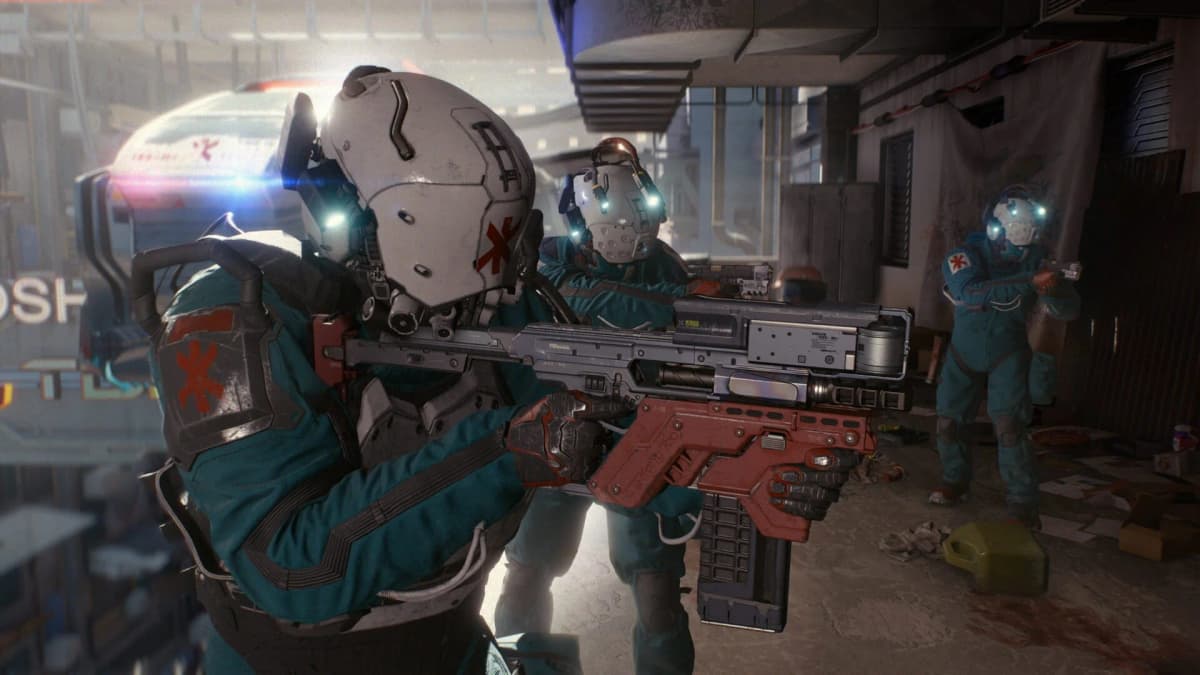
Côté PS4, cette plateforme vieillissante de huit ans propose encore une version honorable de Cyberpunk à 900p/30 fps. La Switch 2 en mode docké ne se contente pas de doubler cet objectif de framerate : elle vous épargne aussi les saccades liées au CPU qui plombent le hardware de Sony dans les zones urbaines très peuplées. Les écrans de chargement sont également plus rapides sur Switch 2, grâce à son bus interne de type NVMe — fini les longues attentes devant les barres de progression.
Thermique et throttling : la bataille invisible
Les consoles hybrides ont souvent tendance à chauffer, mais le refroidissement bi-phase de la Switch 2 fait le travail en toute discrétion. La plaque de la chambre à vapeur diffuse la chaleur du SoC vers une mèche tressée, où l’action capillaire alimente l’évaporation. Un petit ventilateur expulse ensuite la chaleur sans faire le bruit d’un sèche-cheveux. Lors des tests de stress — 90 minutes de Cyberpunk en continu en mode docké — les températures se stabilisent à 65 °C sur le die GPU, sans aucun throttling de fréquence. En portable, la console tourne plus frais, plafonnant à 55 °C, pour que la prise en main ne vire pas au bain de sueur.
Envie de passer au niveau supérieur ?
Accédez à des stratégies exclusives, des astuces cachées et des analyses pro que nous ne partageons pas publiquement.
Guide stratégique ultime Tech + Astuces pro hebdomadaires
Réglages graphiques : verrouillés, mais soignés
Si vous espériez tripoter le ray tracing ou les shaders personnalisés, c’est raté. Nintendo et CD Projekt ont opté pour un profil figé : détail des ombres moyen, pas de ray tracing matériel, flou de mouvement désactivé. Cette approche laser évite aux développeurs de courir après d’innombrables permutations. Le revers de la médaille ? Un portage soigné et stable qui « fonctionne d’emblée » dès le premier jour — mais les moddeurs ne trouveront aucun réglage caché ni fichier de configuration à bidouiller.
Limites et petits défauts
Aucun matériel n’est parfait. Dans les séquences de conduite à haute vitesse de Cyberpunk, vous pourrez observer de légers à-coups de frame pacing — des pics sous les 20 ms qui se traduisent par de brefs soubresauts. C’est fugace et ça ne brise pas l’immersion, mais c’est bien là. Le générateur de frames du DLSS peut aussi introduire occasionnellement des artefacts de ghosting lors de mouvements de caméra rapides, même s’il faut vraiment les chercher pour les remarquer.
Le stockage risque d’en agacer certains : le disque intégré de 512 Go perd environ 40 Go pour le système et les fichiers d’hibernation, laissant à peu près 470 Go utilisables. L’extension par microSD aide, mais les cartes tierces ne peuvent pas rivaliser avec les débits UFS — les temps de chargement depuis microSD peuvent donc doubler.
A qui s’adresse la Switch 2 ?
Si vous êtes un joueur qui exige la qualité AAA partout — dans le canapé, au lit ou dans le train —, la Switch 2 est votre première véritable machine hybride de compétition. Vous n’aurez pas du 4K/60 fps, mais vous obtiendrez la version portable de Cyberpunk 2077 la plus stable et la plus impressionnante visuellement jamais sortie. Autonomie, niveau sonore et thermique : tout reste maîtrisé, pour un compagnon de jeu confortable sur les longues sessions.
En revanche, si vous êtes un puriste intransigeant du 4K qui traque chaque pixel, ou un moddeur PC avide de réécrire du code shader, passez votre chemin. On est ici face à une expérience fermée et pensée pour la simplicité du « on branche et on joue ».