

The Witcher 4 : la démo technique UE5 sur PS5 impressionne
It’s rare to see a heavyweight franchise like The Witcher unveil its fourth chapter in such an early state – and even rarer to experience a slice of it running on Unreal Engine 5 before the Summer Game Fest. From photorealistic visuals to the promise of a truly living world on PS5, this hands-on demo left me speechless. But beyond the technical dazzle, what does it really mean for RPG aficionados and long-time fans of Geralt’s saga?
Next-Gen Power or Just a Tech Showcase?
- Unreal Engine 5 delivers jaw-dropping fidelity, though final gameplay systems remain unverified.
- Ciri benefits from brand-new facial and body animations, raising immersion to unprecedented levels.
- PS5 capture proves smooth performance, but questions linger for PC and Xbox versions.
- CD Projekt Red’s partnership with Epic hints at lessons learned from Cyberpunk 2077’s rocky launch.
Technical Showcase: Fidelity Meets Performance
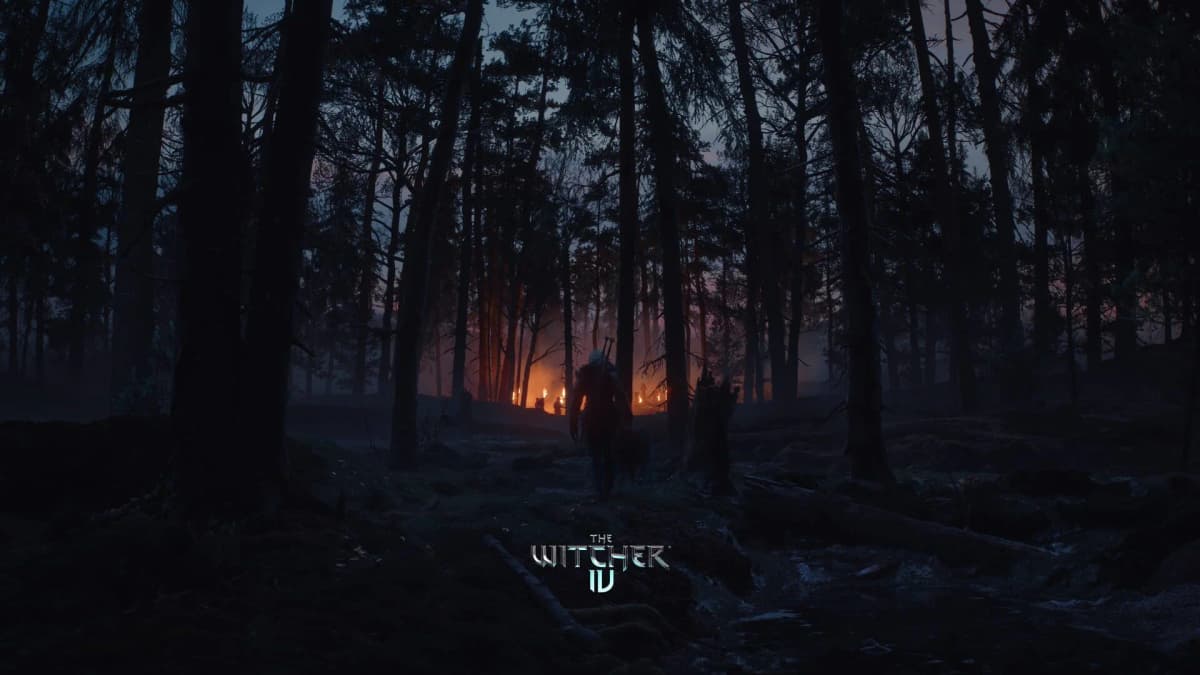
At the core of this vertical slice lies the region of Kovir, rendered in native 4K at a solid 60 FPS on PS5. The jump in detail is immediately apparent: individual cobblestones gleam under volumetric rays of sunlight, while cloth and hair physics respond dynamically to wind and motion. Unreal Engine 5’s Nanite micro-polygon technology allows for dense, intricately modeled environments without noticeable pop-in. Lumen’s global illumination casts realistic shadows that shift seamlessly from dawn to dusk.
Yet, this dazzling demo is still a slice – a carefully curated sequence of scenes rather than proof of final features. There’s no guarantee that open-world traversal, quest variety and inventory management will maintain this level of polish when fully implemented. For now, though, seeing a sprawling cityscape come alive with minimal frame hitches feels like a major step forward for next-gen RPGs.
Immersion & Dynamic Interactions
Perhaps the most impressive leap is in character responsiveness. Ciri no longer moves through preset animation loops; she reacts on the fly to environmental hazards, casual NPC banter and unexpected collisions. In one sequence, brushing past a horse sends its rider into a startled animation, prompting a panicked shout and a brief chase. Simple as it sounds, these micro-reactions cement a sense of living world that many open-world titles struggle to achieve.
The density of non-player characters and their organic behaviors suggest that CD Projekt Red wants to blur the line between developer scripting and emergent gameplay. If Witcher 4 can sustain this level of reactivity once dozens of side-quests, dynamic events and a fully stocked inventory come into play, it could raise the bar for every RPG that follows.
| Feature | Details |
|---|---|
| Engine | Unreal Engine 5 |
| Platform | PS5 (demo); PC & Xbox TBC |
| Resolution & Framerate | Native 4K, 60 FPS |
| Release Date | Undisclosed |
Envie de passer au niveau supérieur ?
Accédez à des stratégies exclusives, des astuces cachées et des analyses pro que nous ne partageons pas publiquement.
Guide stratégique ultime Jeux Vidéo + Astuces pro hebdomadaires
Collaboration & Lessons from Cyberpunk
Embracing Unreal Engine 5 in partnership with Epic Games marks a significant shift for CD Projekt Red. After Cyberpunk’s high-profile launch issues, this strategic pivot signals a willingness to leverage a robust, battle-tested engine. Of course, switching engines brings its own challenges: mastering new toolsets, custom pipelines and QA processes. But the potential reward—a stable, high-performance foundation—could pay dividends when Witcher 4 rolls out across multiple platforms.
What Remains to Be Seen?
The burning question is how much of this polished vertical slice will survive the full development pipeline. Will the city streets remain bustling once dozens of quest icons clutter the map? How will combat systems fare when loaded with Geralt’s skill trees and Ciri’s special abilities? And can performance scales uniformly on PC and Xbox consoles? Until CD Projekt Red reveals more, we’re left balancing genuine excitement with cautious optimism.
All told, this early UE5 demo makes a compelling case that Witcher 4 could redefine next-gen RPG immersion. But the true test lies beyond this tech showcase: in the breadth of content, depth of systems and stability of the full release. For now, fans can savor a glimpse of a world reborn—and hope it lives up to its breathtaking potential.
TL;DR: The Witcher 4’s UE5 demo on PS5 wows with 4K/60FPS visuals, dynamic NPC reactions and volumetric lighting. Solid proof of concept, but the full game must deliver on systems and cross-platform performance.
