
ASUS ROG Ally X vs Lenovo Legion Go (Gen 1)
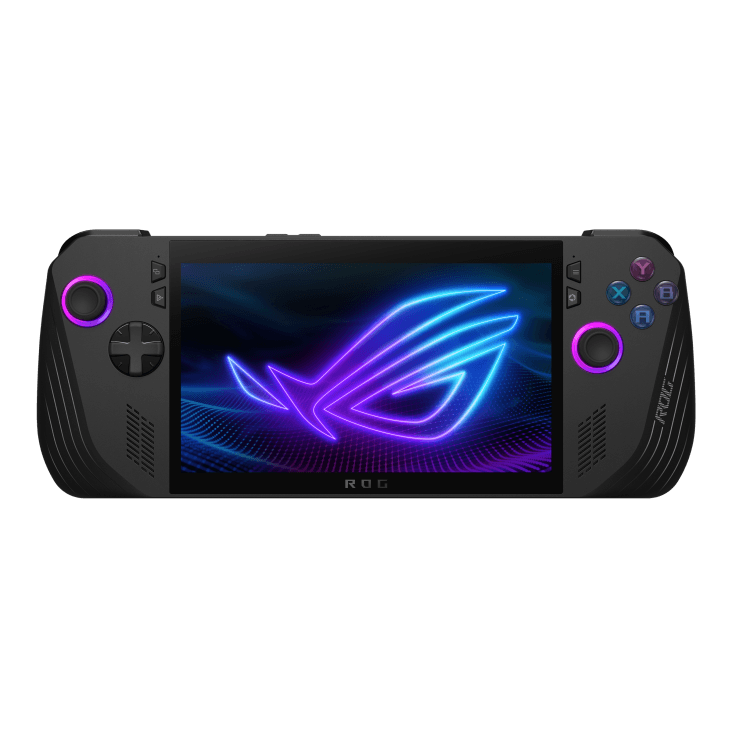
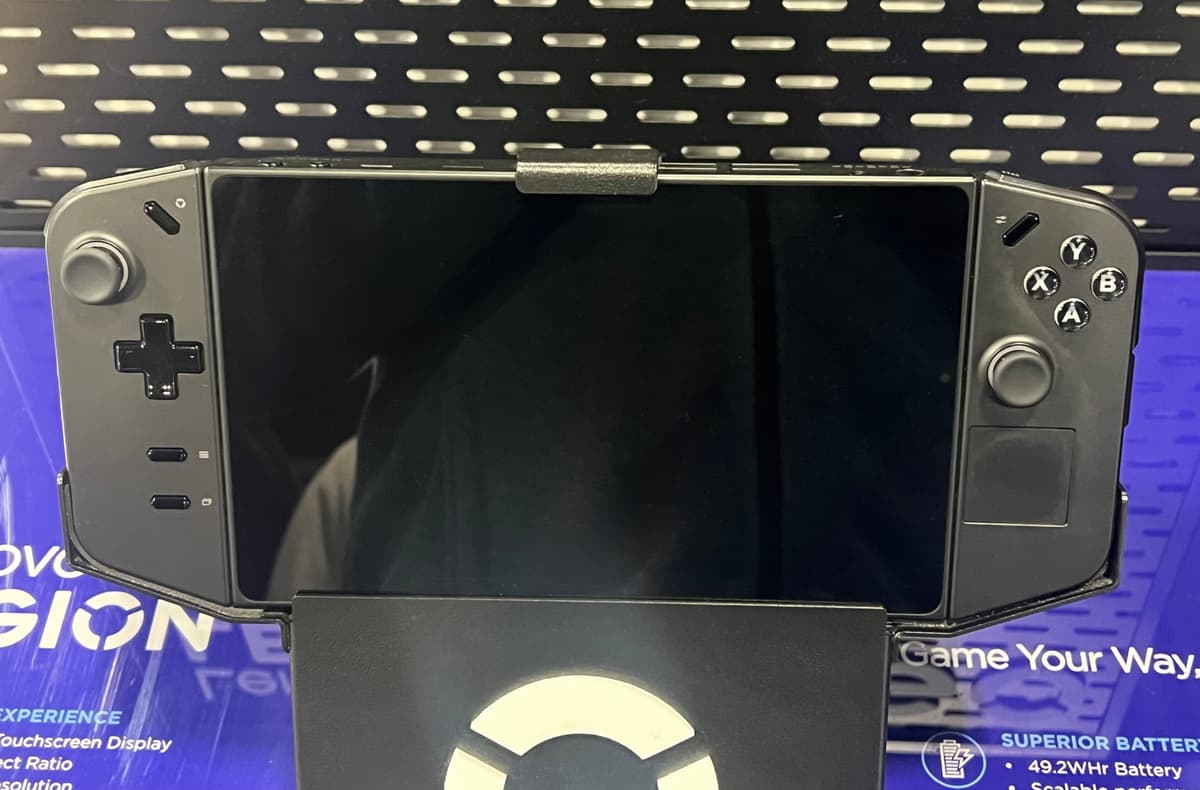
The Ally X is the lighter, longer-battery pick at 685 g and 80 Wh with USB4/Thunderbolt, while the Legion Go counters with a bigger, sharper 8.8-inch 144 Hz 1600p display and detachable Switch-style controllers, at the cost of nearly 160 g more weight and a smaller 49.2 Wh battery. Both run the same Ryzen Z1 Extreme, so the choice comes down to screen/controller flexibility versus portability and battery.
Spec comparison
| Spec | ASUS ROG Ally X | Lenovo Legion Go (Gen 1) |
|---|---|---|
| Starting price | $800 | $1,000 |
| OS | Windows 11 | Windows 11 |
| Screen size | 7" | 8.8" |
| Panel | IPS | IPS |
| Refresh rate | 120 Hz | 144 Hz |
| Resolution | 1920 × 1080 (16:9) | 2560 × 1600 |
| Weight | 685 g | 845 g |
| Battery | 80 Wh | 49.2 Wh |
| APU | Ryzen Z1 Extreme | Ryzen Z1 Extreme |
| Max TDP | 30 W | 30 W |
| Hall-effect sticks | No | — |
| Trackpads | No | 1 (touchpad on right controller) |
| Gyro | Yes | Yes |
Handheld prices are unusually volatile in 2026 due to a global memory-chip shortage — we show the best figure at our last check, but always confirm the live price at the retailer.
ASUS ROG Ally X
Pros
- Large 80 Wh battery — roughly double the original
- 24 GB LPDDR5x, 1 TB M.2 2280, USB4/Thunderbolt
- Improved grips; gen-1 SD-reader defect resolved
Cons
- Still potentiometer sticks (Hall triggers only)
- Windows suspend/resume friction persists
- Heavier (685 g) and pricier than rivals
Lenovo Legion Go (Gen 1)
Pros
- Large, sharp 8.8" 2560 × 1600 144 Hz display
- Detachable controllers, kickstand and FPS mouse mode
- Dual USB4 ports for docking and accessories
Cons
- Very heavy at 845 g
- Poor launch firmware and Windows sleep/drain issues
- Short 49.2 Wh battery for the high-TDP APU
Who should buy which
Buy the Ally X if you want a lighter, longer-battery handheld with USB4/eGPU support in a conventional form factor.
Buy the Legion Go if a bigger, sharper 144 Hz display and detachable/FPS-mode controllers matter more than weight and battery life.